Built for the lives
the system refuses to count

A documentation, legal aid, and educational platform for sanitation workers and their families.

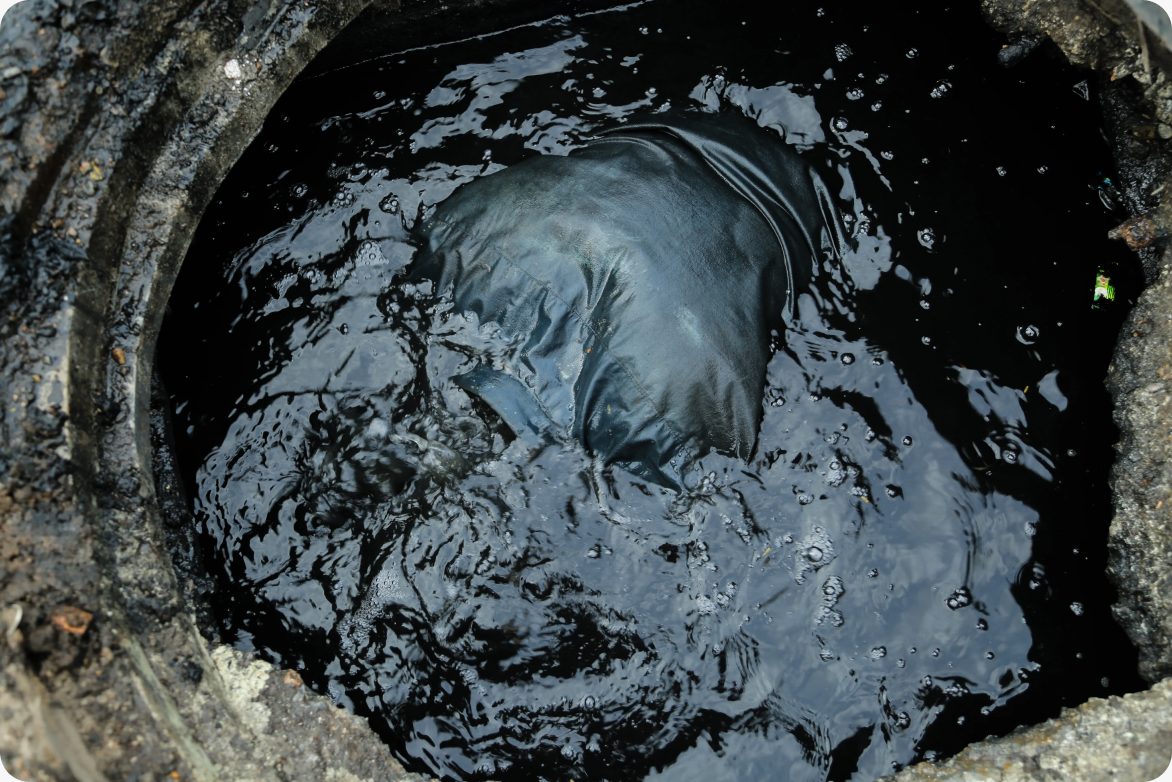
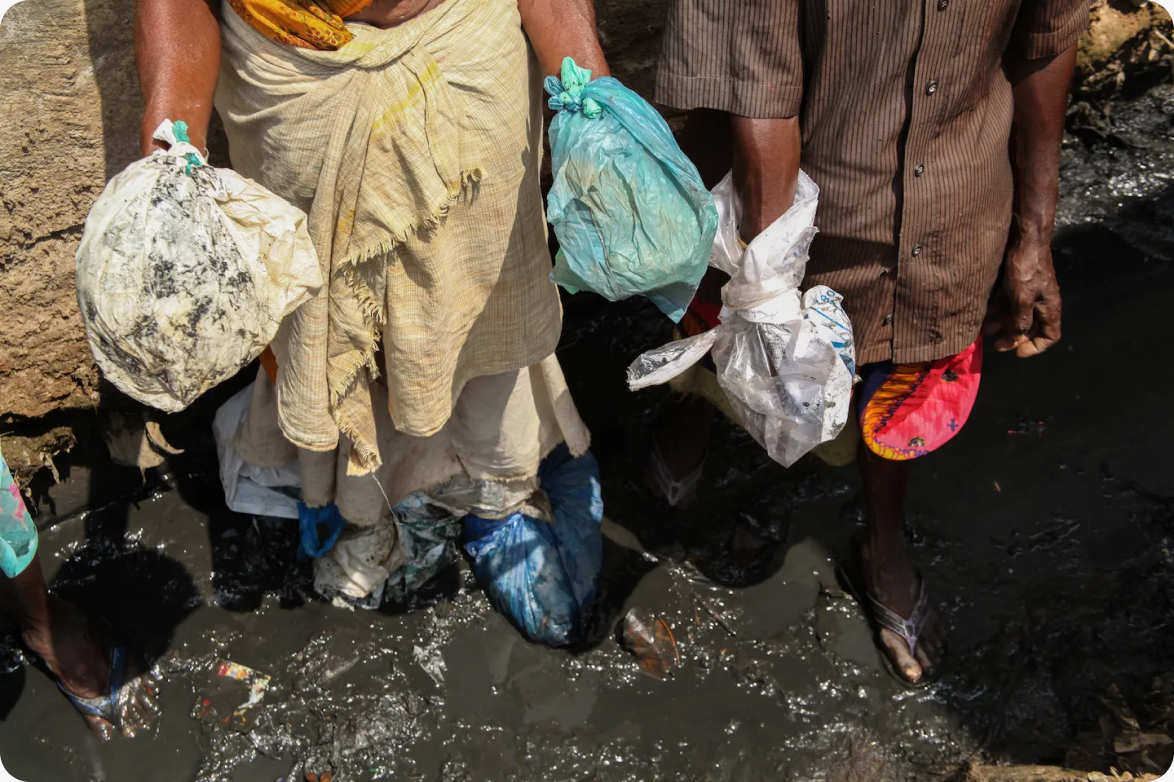
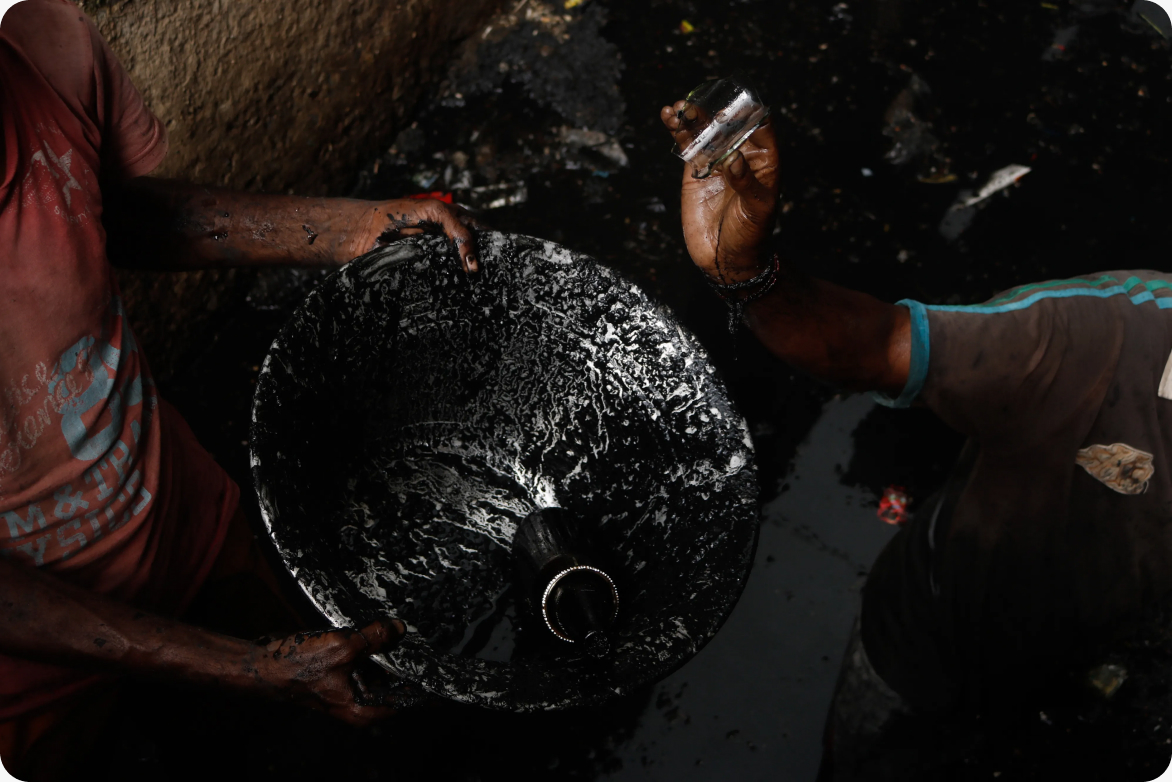
Sanitation workers at work

Courtesy © M. Palani Kumar

What we do

Witness change,
One Life at a Time.

Register

Register as a sanitation worker and build a tamper-resistant employment record that the state cannot deny.

Saatchi Kit

Every registered worker receives a physical documentation and safety kit along with a worker ID.

Legal Aid

Access legal support before informal compensation is forced on you, at the moment of death, not after.

Courses

Learning modules on worker rights, sanitation engineering, and caste and labour law, for workers, students, and the general public.

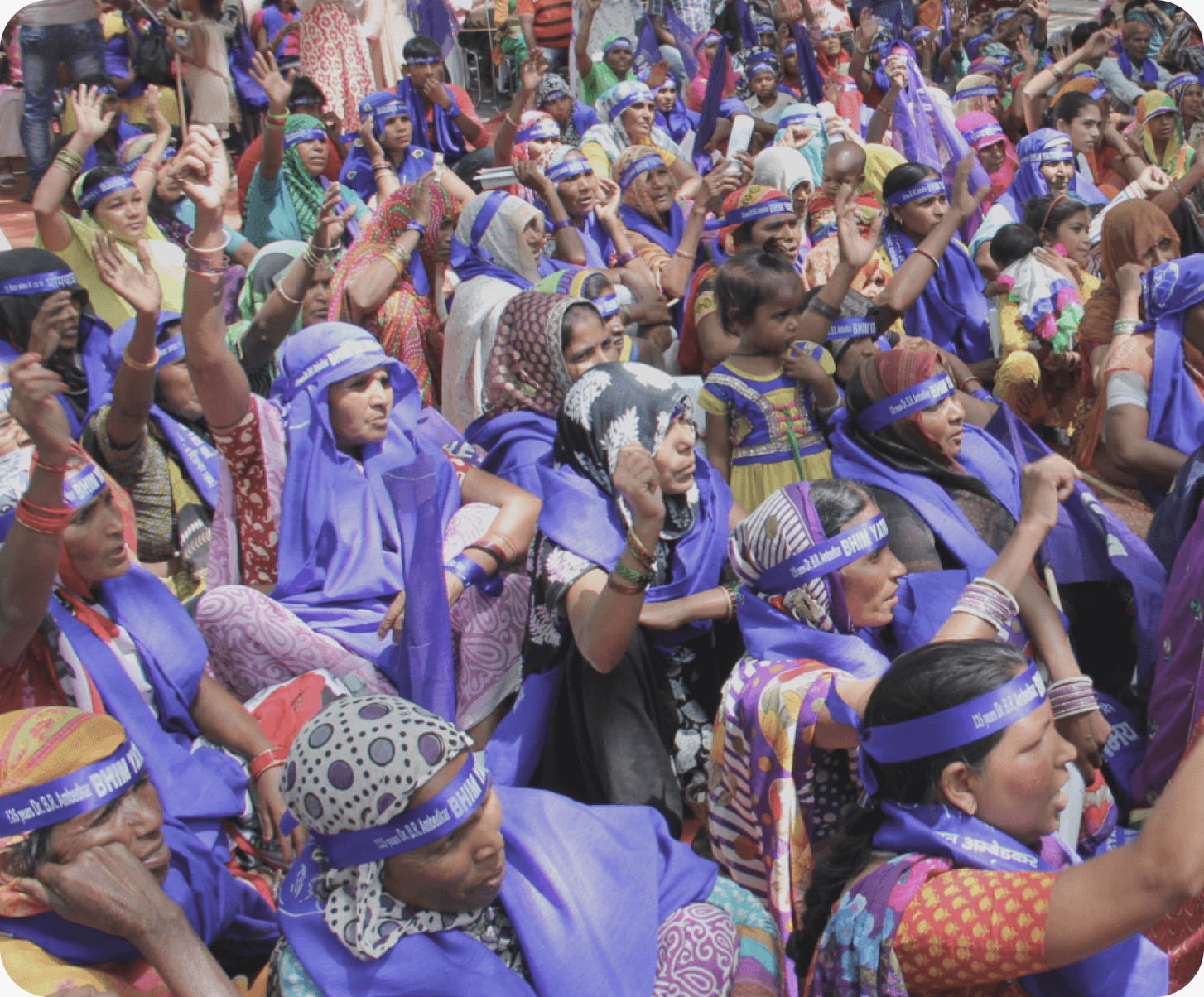
Community members gathered

Photograph © Safai Karmachari Andolan (Bhim Yatra 2016)
Displayed for academic demonstration purposes only.

About us

Built from the system’s own evidence

Saatchi emerged from systemic design research into the persistence of manual scavenging in India

Our Mission

To build the evidentiary infrastructure that makes accountability possible, by giving every sanitation worker a documented identity, every affected family a path to legal recourse, and every student a reason to engage with this problem.

Our Vision

A sanitation system in which no human being enters a sewer or septic tank, because the records exist, the law is enforced, and the technology has been designed to make it unnecessary.

Workers.
Families.
Witnesses.

The Story Behind Saatchi

Saatchi was born from a single observation: that the system sustaining manual scavenging in India does not fail by accident, it is held in place by the deliberate absence of records. Workers are hired without contracts. Deaths are recorded as accidents. Compensation is paid in cash, in private, before any FIR can be filed.

Saatchi was designed to interrupt that absence. Built on systemic design research and developed in partnership with Safai Karmachari Andolan, it is not a charity platform. It is an evidentiary infrastructure, a place where workers exist on record, where families know their rights before the negotiation begins, and where the data the state refuses to collect is collected anyway.
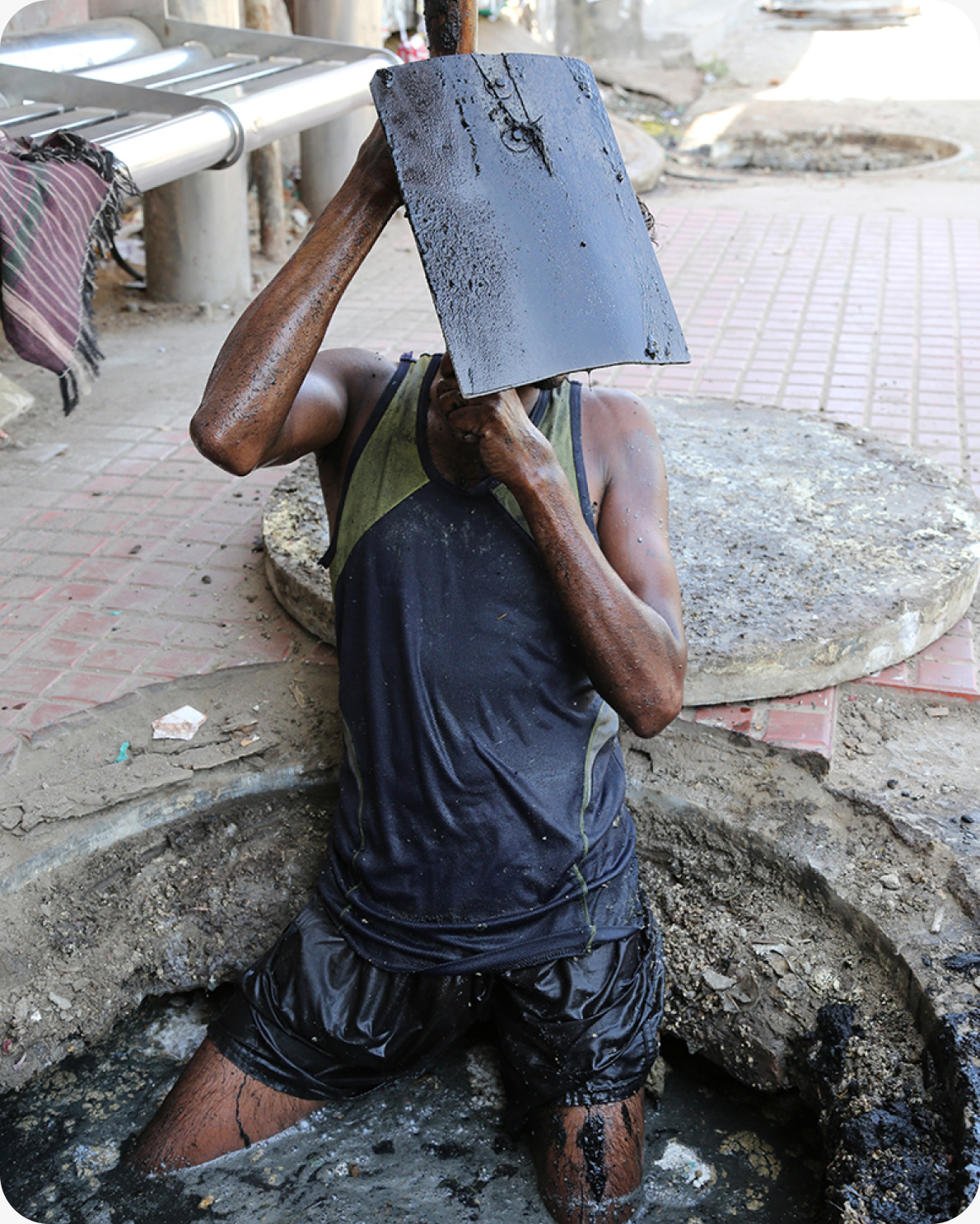
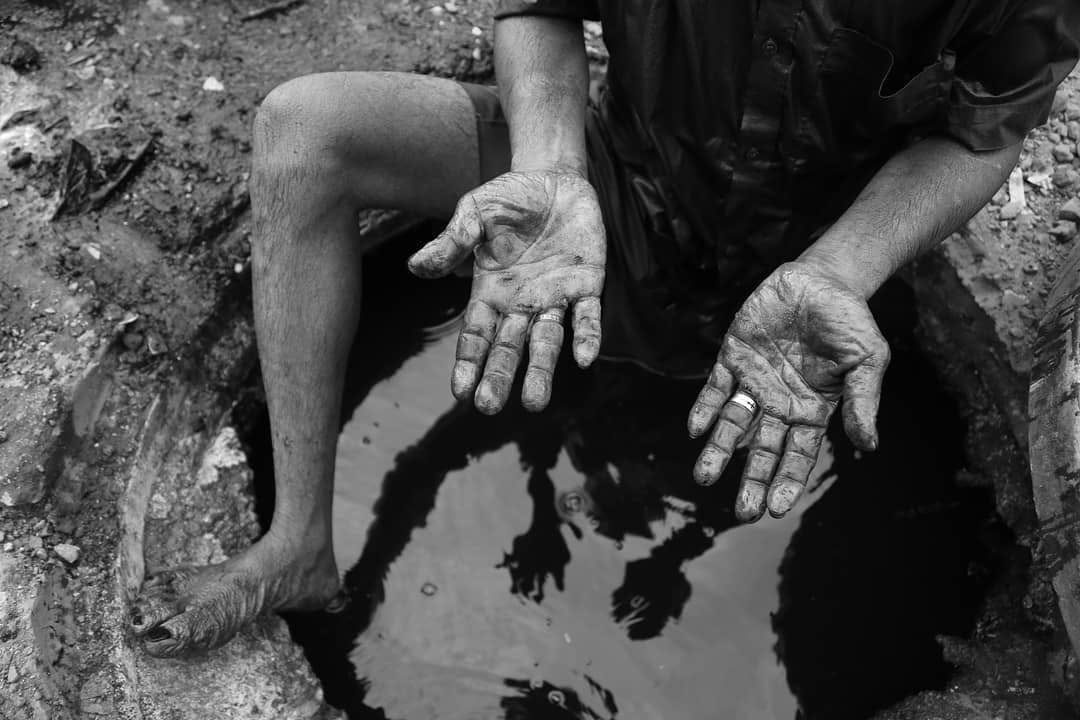
A sanitation worker

Courtesy © M. Palani Kumar